


By Koviao Matuzee
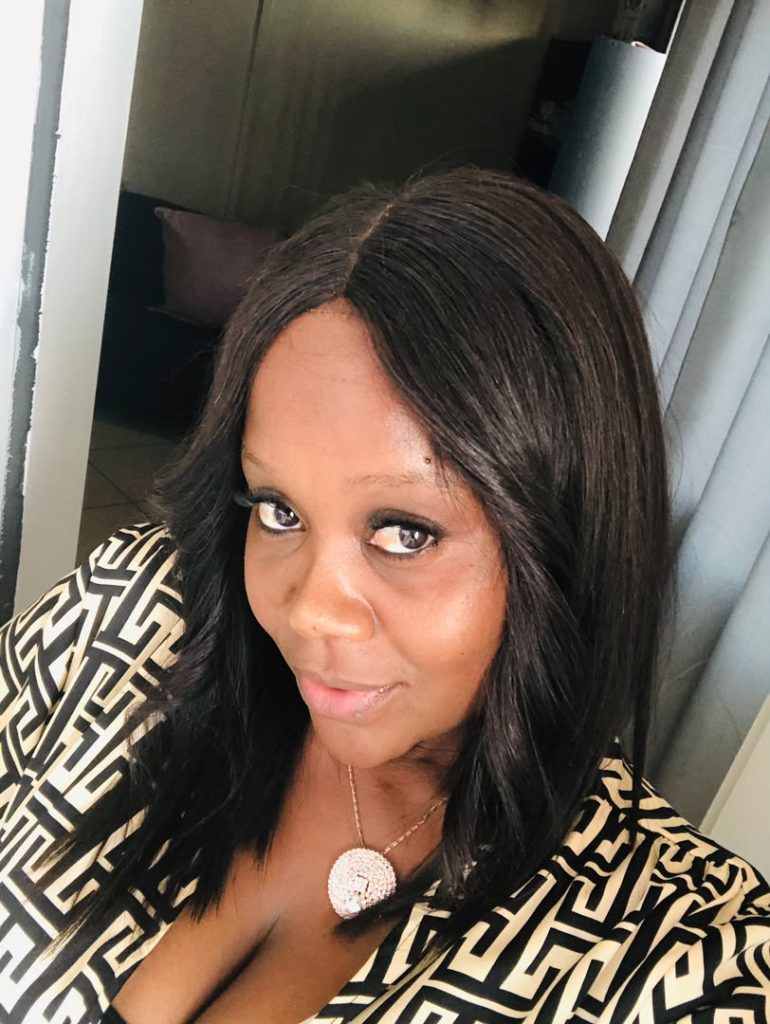
At 37, Frieda Mary Pawapeni Nangolo has turned a career setback into a growing journey in real estate and entrepreneurship. A licensed real-estate professional and single mother, Nangolo is passionate about helping Namibians navigate property ownership while advocating for greater access to affordable housing and opportunities for women and young people.
Q: Can you tell us a little bit about yourself?
A: My name is Frieda Mary Pawapeni Nangolo. I am 37 years old and a single mother to a teenage son. I am the third-born child in my family and was born and raised in Windhoek, particularly in Wanaheda.
I am a God-fearing woman who fellowships at Zion Gate Ministry. My faith is an important part of who I am and guides me in both my personal life and professional journey.
I am a qualified and licensed real-estate agent, as well as an entrepreneur. In addition to my career in real estate, I own and operate Pawapeni Salon Trim and Beauty Salon in Wanaheda.
For me, real estate is more than just a job. It is an industry that I genuinely love and enjoy. I take pride in helping people navigate one of the most important financial decisions of their lives and in creating opportunities through property.
Q: What inspired you to enter the real-estate industry, and what has kept you in it despite its challenges?
A: Initially, I wanted to pursue something new after losing my job in 2019. In 2021, I wrote the Real Estate Board examination through the Namibia Estate Agents Board. However, I only started actively practising in 2023 while completing a Diploma in Real Estate Management at Triumphant College.
During my studies, I was inspired by my lecturer, Liselle So-Oabes, who helped me understand the importance of property in people’s lives and financial futures. Her teachings opened my eyes to the many opportunities within the real-estate industry.
I am also deeply inspired by my spiritual father, Apostle Bruce, whose life and guidance encourage me to do everything in alignment with God’s purpose for my life. His influence has strengthened my faith, discipline and commitment to pursuing my work with integrity and purpose.
What keeps me in real estate is the opportunity to help people make important property decisions and to see the positive results of those decisions. The industry certainly has its challenges, but those challenges have taught me to be persistent, professional, adaptable and committed to continuous learning.
Most importantly, I enjoy knowing that my work can make a meaningful difference in people’s lives.
Q: What are some of the biggest challenges women face in Namibia’s real-estate sector, particularly when it comes to access to finance, credibility and leadership opportunities?
A: As an independent female real-estate agent trying to grow, I have come to understand that the challenges go beyond simply closing residential transactions.
To grow in this industry, you need to move from a purely transactional mindset, where the focus is on closing individual deals, to an entrepreneurial mindset that includes securing commercial listings, building an agency, developing property-related businesses and potentially entering property development.
Access to finance can be a significant challenge. Traditional commercial banks may require a good credit score when considering business-expansion financing, which can make it difficult for entrepreneurs to secure funding.
Credibility and access to professional networks can also be challenging, particularly when important business opportunities are developed through established networks. As women, we need to continue building strong professional brands, developing our expertise and creating visible authority through both digital platforms and professional relationships.
For me, scaling a business also means thinking beyond simply exchanging time for income. The goal should be to build sustainable assets, systems and businesses that can create long-term value.
Q: How would you describe the current state of Namibia’s property market, and what major trends do you believe people should be paying attention to?
A: Namibia’s property market remains relatively expensive, particularly for ordinary households trying to enter the market. According to the FNB House Price Index referenced in my experience of the market, the national average house price has reached approximately N$1.46 million.
There are several trends that I believe deserve attention:
The Coastal Boom: Towns such as Swakopmund, Walvis Bay and Lüderitz are experiencing increased interest and development linked to emerging opportunities in sectors such as oil, gas and green hydrogen.
Growing Rental Demand: Higher interest rates can make it more difficult for some people to purchase property, which can increase demand for rental accommodation. Two-bedroom flats, in particular, can present opportunities for investors depending on location, purchase price and rental demand.
Gated Estates and Secure Developments: Many buyers are increasingly interested in secure complexes and townhouses because of security, convenience and potentially lower maintenance requirements compared with some standalone properties.
Growing Demand for Solar Solutions: With rising energy costs, properties equipped with reliable solar-power solutions can become increasingly attractive to buyers and investors.
These trends demonstrate why property buyers and investors need to understand not only the price of a property, but also the wider economic and development trends affecting different areas.
Q: Housing affordability remains a major concern for many Namibians. From your experience, what needs to change to make property ownership more accessible to ordinary citizens?
A: I believe developers need to place greater emphasis on genuinely affordable housing options. Rather than focusing predominantly on flats and self-contained units, there should also be more affordable freestanding townhouses and freestanding homes designed for ordinary working Namibians.
There is also a need for effective and balanced rental policies that protect tenants from excessive rental increases while still recognising the legitimate costs and responsibilities of property owners. More affordable and predictable rental costs could help some tenants save towards deposits and other costs associated with home ownership.
Financial institutions, developers, government and real-estate professionals also need to work together to improve access to financing and make the home-buying process easier to understand.
People should have access to clear information about deposits, interest rates, transfer costs, legal costs, repayments and other expenses involved in purchasing property. Better financial and property education can help more Namibians make informed decisions and work towards home ownership.
Q: What is the biggest misconception people have about working in real estate, and what does it actually take to succeed in the industry?
A: One of the biggest misconceptions is that real estate is simply about selling houses and earning commissions.
In reality, real estate requires knowledge, communication skills, networking, patience, honesty, negotiation skills and excellent customer service. You need to understand your clients, understand the market and continuously educate yourself about changes in the industry.
Success also requires consistency. You have to build trust and maintain strong relationships with clients, agents, investors, financial institutions and other professionals.
Real estate is a people-centred business, and your reputation is one of your most valuable assets.
Q: How important is property ownership as a tool for wealth creation, particularly for young people and women?
A: Property ownership can play an important role in building long-term financial security and creating wealth. For young people and women, owning property can provide an opportunity to build assets, increase financial independence and establish a stronger financial foundation for the future.
However, property investment should not be approached simply because it is considered a path to wealth. People need to understand the costs, financing arrangements, responsibilities, location and potential risks associated with each investment.
Education and proper financial planning are therefore essential. I encourage young people and women to learn about property, start where they can and gradually build their portfolios as their financial position allows.
Q: Have you ever had to work twice as hard to prove yourself in a predominantly male environment? If so, how did you navigate that experience?
A: Yes. We live in a world where many systems and professional environments have historically been designed around men, and women can sometimes find themselves having to work harder to establish their credibility and prove their capabilities.
My approach has been to remain professional, consistent and focused on delivering results. I believe that your work, knowledge, integrity and ability to serve your clients well should ultimately speak for you.
Challenges can also make you stronger. Rather than allowing difficult experiences to discourage me, I use them as motivation to continue learning, improving myself and creating opportunities for other women.
Q: What advice would you give to young Namibian women who want to enter real estate but feel that property ownership and investment are out of their reach?
A: My advice is to start by educating yourself. You do not necessarily have to begin by purchasing a large property or making a major investment.
Learn about the property market, understand how financing works, build your professional network and seek guidance from experienced people in the industry. Set realistic financial goals and take one step at a time.
Property ownership and investment may initially seem out of reach, but knowledge, proper planning, discipline and persistence can help create opportunities over time.
Most importantly, do not allow the perception that property is only for wealthy people to stop you from learning and preparing yourself. Start with what you can, understand your financial position and work towards your goals.
Q: Looking ahead, what would you like to see change in Namibia’s real-estate sector, and what legacy do you hope to leave through your work?
A: Looking ahead, I would like to see a property sector that creates more opportunities for ordinary Namibians, particularly young people and women.
I would like to see greater access to affordable housing, property education, financing and opportunities for women to participate in leadership, investment and property development.
I also believe there should be stronger collaboration between government, financial institutions, developers and real-estate professionals to address some of the barriers preventing people from entering the property market.
Through my work, I hope to leave a legacy of professionalism, integrity, trust and empowerment. I want to encourage more people, especially women and young Namibians, to recognise that property can be an important part of building a stronger financial future.
Ultimately, I want my work to demonstrate that with knowledge, determination and the right opportunities, we can create meaningful change in our communities through real estate.