



By Patience Makwele
Following the growing concerns over firearm-related crimes across the country, members of the public have urged lawmakers to consider tightening Namibia’s firearm laws.
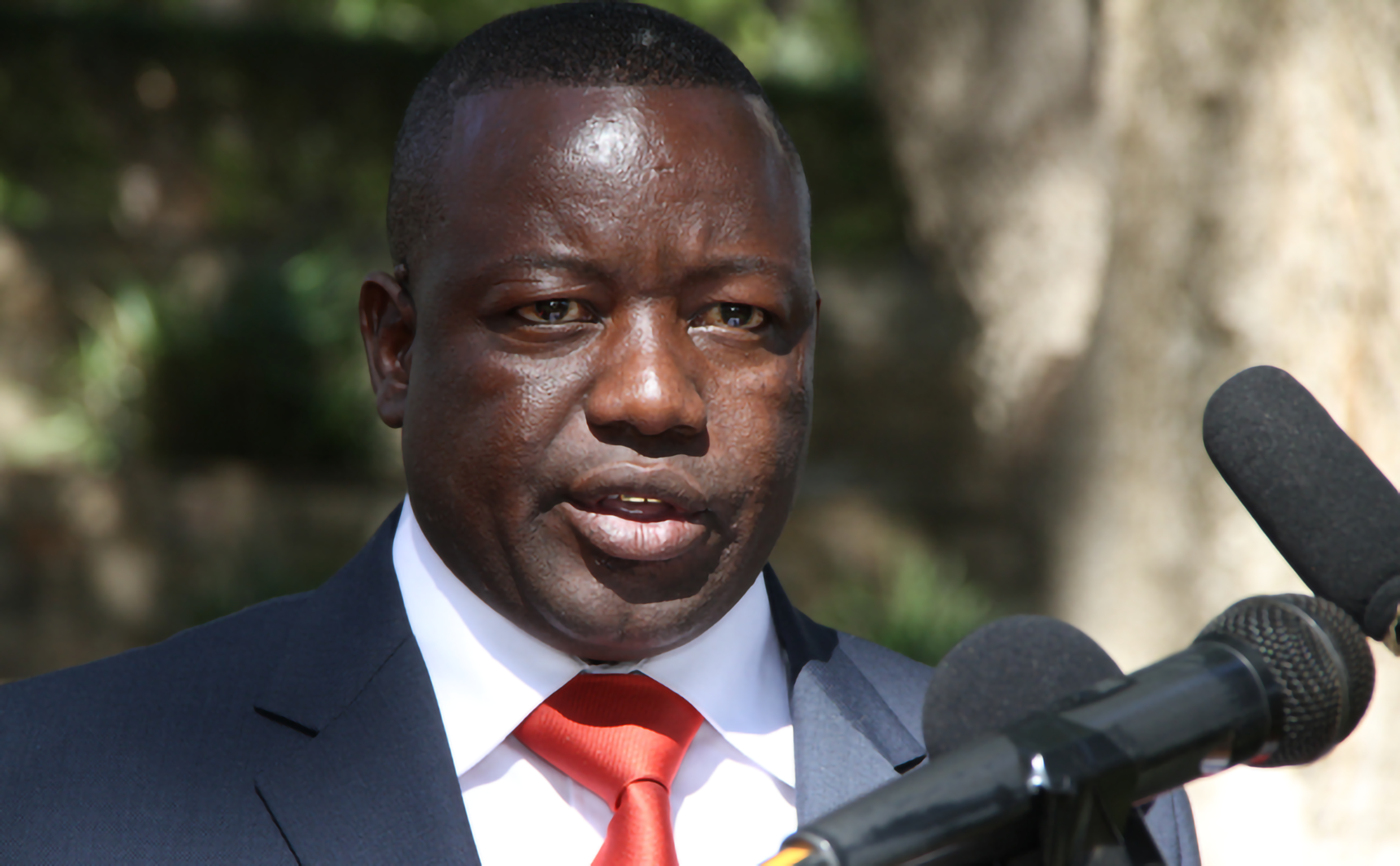
In an exclusive interview with Confidente, NUDO Member of Parliament, Vetaruhe Kandorozu called for urgent amendments to the Arms and Ammunition Act 7 of 1996, which he belives make it too easy for citizens to acquire firearms.
Kandorozu said the existing legal framework allows relatively easy access to firearms and warned that the current minimum age requirement of 18 years may expose young people to risks linked to firearm misuse.
“The legal instrument that allows citizens to acquire firearms is too simple and makes access too easy. The age restriction of 18 years is risky, as many at that age may lack the maturity and responsibility required for firearm use,” Kandorozu said.
He proposed increasing the minimum age for firearm ownership to 30 years and exceptions should only be made for individuals working in security services or the armed forces.
According to Kandorozu, firearm possession should not be treated as a means of revenue collection but should be strictly regulated for purposes such as self-defence, hunting and other lawful activities prescribed by law.
He further called for an urgent amendment of the 1996 Act to introduce stricter controls aimed at reducing the number of firearms circulating within the Namibian society.
Kandorozu said Parliament has the authority to initiate amendments to the law through a notice of motion, to strengthen enforcement and punishment for firearm-related crimes,
He argued that access to firearms should not be as easy as purchasing everyday retail items. He further called for the introduction of stricter licensing and control mechanisms.
Kandorozu also advocated for harsher penalties and tighter bail conditions for suspects accused of firearm-related offences, as lenient enforcement could contribute to repeat crimes.
“Those accused of shooting innocent people are arrested and released shortly thereafter, only to commit similar crimes again. Amendments must be severe enough to act as a real deterrent.”
He acknowledgedg constitutional considerations, but suggested revisiting the legal basis for firearm ownership based on self-defence.
Licences, he advised, should only be issued where threats can be proven beyond reasonable doubt and recommended that firearm licence approvals be handled by a committee rather than a single individual.
“There must be a commission or committee responsible for approving firearm licences, rather than leaving that power to one person.”
Firearm-related crimes have remained a concern in Namibia, with authorities repeatedly warning about the social and safety risks associated with illegal and uncontrolled weapon circulation.