



By Staff Reporter
Oil and gas pundits have indicated that as public interest in the sector continues to grow, to many citizens the industry remains complex and difficult to understand.
A leading industry expert Jofden Schalenksy recently told Confidente that this makes it difficult for Namibian to fully participate and contribute to the development of the industry, adequately.
The expert explained that Namibians need to understand that at the heart of the sector are different players, each performing a specific role in what is known as the oil and gas value chain. He added that understanding these roles is key to appreciating how the industry works and where opportunities may lay for Namibians.
“Namibia’s oil and gas industry is still in an early, exploration-driven phase, but its structure is already well defined. The sector is built around a small number of key players, each occupying a distinct role across the value chain,” said Schalenksy.
“At the top are the international operators, such as TotalEnergies, Shell, Galp Energia, Rhino Resources and Chevron. These companies lead the upstream segment, conducting exploration, drilling wells, and, in the future, developing and producing oil and gas. As operators, they manage projects and contract the services required to execute them,” he added.
Alongside them, Schalenksy added, there are joint venture partners, including QatarEnergy and independent firms such as Impact Oil & Gas. These partners hold equity in licences, share financial risk, and contribute to strategic decisions, but do not manage daily operations.
Furthermore, the Namibian government, through the Ministry of Industries, Mines and Energy and NAMCOR, plays a central role across the entire value chain and he added that it grants licences, regulates the sector, ensures compliance. He believes that these entities often participate as a partner in projects and secures national revenue through taxes, royalties and state participation.
“Supporting these players are oilfield service companies such as Halliburton, SLB and Baker Hughes. These companies provide the technical expertise and equipment required to carry out offshore operations, from drilling to data analysis.
“There is a growing layer of local Namibian companies, including logistics, manpower and support service providers. These companies play a key role in delivering local content, ensuring that the development of the industry translates into jobs, skills transfer and economic value within the country.”
The expert added that the value chain in the international operators lead and execute projects, partners share investment and risk, the government regulates and participates while service companies deliver the technical work. In the same vein, local companies support operations and anchor the industry in Namibia’s economy.
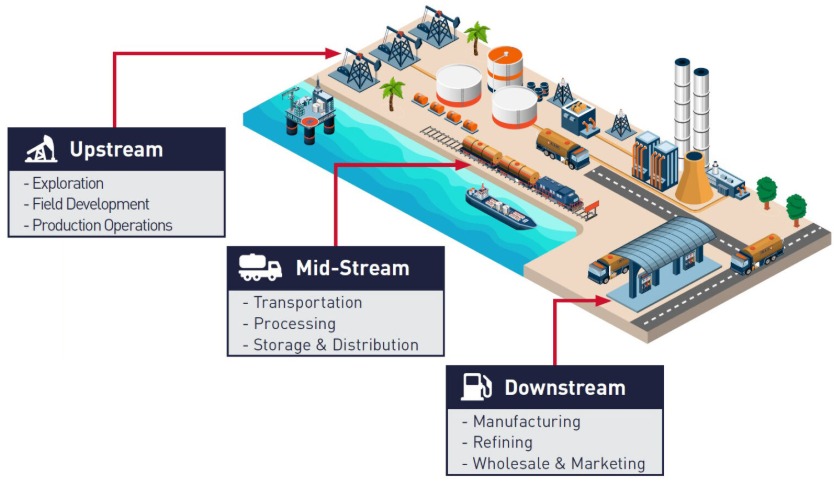
“The industry is also divided into three segments which are upstream, midstream and downstream. Namibia’s current focus remains upstream, where exploration activities are taking place offshore while midstream and downstream activities, such as transportation, refining and distribution, are expected to develop if commercial discoveries lead to production.”
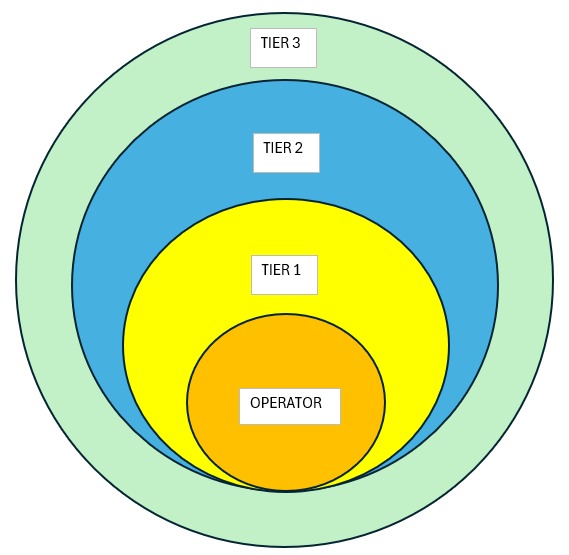
According to Schalenksy, participation in the sector is often structured through a tiered system.
“Larger contractors operate at the top tiers, while smaller companies provide support services at lower levels. These include catering, transport, cleaning, security and maintenance services, all of which are essential to daily operations.
“However, entry into the industry requires more than just opportunity. Local companies must meet strict international standards related to safety, quality and reliability. This has placed growing emphasis on capacity building, training and partnerships with established firms.”